Breast Augmentation in Frisco, TX
Breast augmentation remains one of the most popular cosmetic surgical procedures in the United States, and for good reason. Whether you’re looking to restore lost breast volume after pregnancy, improve breast symmetry, enhance your figure, or simply achieve a fuller appearance, breast augmentation is a highly customizable procedure that can be tailored to your unique anatomy and goals. Despite how common the procedure is, it remains highly individualized. The choices made during planning—implant type, size, placement, incision, and surgical technique—directly influence both the short-term recovery and long-term aesthetic outcome.
As a board-certified plastic surgeon in Frisco, Texas, I believe one of the most important parts of my job is helping patients understand their options before making a decision. Breast augmentation, probably more than any other elective cosmetic surgery, is not a one-size-fits-all procedure. There are many decisions that need to be made when planning for this surgery and each choice, from implant size and profile to incision location and implant placement, can have a major influence on your result. Therefore, educating my patients thoroughly is a responsibility I take very seriously, ensuring that they make the most informed choices possible.
This comprehensive guide is designed to answer the questions I hear every day from patients throughout Frisco, Plano, McKinney, Prosper, Allen, Dallas, and the surrounding Dallas–Fort Worth area. Whether you’re just beginning your research or preparing for breast surgery, my goal is to provide clear, evidence-based information so you can make an informed decision with confidence.

Quick Breast Augmentation Summary
Procedure: Breast augmentation with silicone or saline implants
Goal: Increase volume, improve symmetry, restore fullness, and enhance proportion
Anesthesia: General anesthesia in an accredited surgical facility
Length of Surgery: 1-2 hours
Common incision: Inframammary incision within the natural breast crease
Recovery: resume light activities in 1-3 days; exercise usually resumes gradually over 4-6 weeks
Explore Topics On This Page:
- What Is Breast Augmentation?
- Breast Augmentation Candidate
- Breast Augmentation Consultation
- When is a Breast Lift Needed?
- Breast Implant Options
- Breast Implant Placement
- Breast Augmentation Incisions
- Smooth Breast Implants
- What Does A Breast Augmentation Entail?
- Breast Augmentation Recovery
- Breast Augmentation Risks & Complications
- Breast Augmentation Scars
- Why Choose Dr. Tabbal?
- Breast Augmentation Cost
- Breast Augmentation FAQs
What Is Breast Augmentation?
Breast augmentation, also known as augmentation mammoplasty, is a cosmetic surgical procedure designed to increase breast size, improve breast shape, restore volume, or correct asymmetry. The procedure is most commonly performed using silicone or saline breast implants, although fat transfer breast augmentation may be an option for select patients seeking a modest increase in size.
The goals of the procedure may include:
- Increasing breast volume
- Restoring fullness lost after pregnancy or weight loss
- Improving symmetry
- Enhancing upper pole fullness
- Improving overall body proportion
While many people associate breast augmentation solely with increasing cup size, modern breast augmentation is really about achieving proportion, balance, and natural-appearing results tailored to each patient’s anatomy. A successful outcome doesn’t focus only on the number of cubic centimeters (cc) in an implant. Instead, it considers both your anatomy—such as your body frame, chest width, existing breast tissue, and skin quality—and your personal aesthetic goals.
For many women, breast augmentation can improve the way clothing fits, restore confidence after pregnancy or weight loss, and create a more balanced silhouette. My goal is always to create results that complement your body rather than overpower it.
Who Is a Good Candidate for Breast Augmentation?
Although breast augmentation is a highly effective procedure, not every patient has the same goals or anatomy. During your consultation, we’ll discuss your expectations and determine whether breast augmentation is the best option for you.
You may be a good candidate if you:
- Have naturally small breasts
- Desire fuller or more proportionate breasts
- Have loss of volume after pregnancy or weight change
- Have noticeable breast asymmetry
- Are in good general health
- Do not smoke (or are willing to stop before surgery)
- Have realistic expectations about surgery and recovery
In some cases, breast augmentation alone is not sufficient. If your breasts have descended due to aging, pregnancy, or weight fluctuations, simply placing a larger implant may not achieve the youthful breast shape and position that you’re hoping for. In fact, just using an implant in this scenario would make the breast look worse. It’s important to remember that a breast augmentation focuses only on augmenting the breast. Anything that doesn’t look desirable before the implant is placed will simply look more undesirable when augmented with an implant.
Patients with asymmetry or significant breast sagging typically require a breast lift (mastopexy) with an implant to achieve a desirable breast shape and position. Think of it this way: a breast lift will make the breast shape and position more attractive so that it can be enhanced, or augmented, by the breast implant placed during the augmentation. To learn more about this topic, read Dr. Tabbal’s blog.
Why Is a Breast Augmentation Consultation So Important?
Dr. Tabbal understands that pursuing breast augmentation is an important and very personal choice for patients. This is one of the many reasons why he approaches the consultation process with thoughtfulness, compassion, and transparency. An initial consultation allows patients to openly express their aesthetic goals with Dr. Tabbal so he can get a clear idea of the results they are trying to achieve and tailor the treatment plan accordingly. He sees this meeting as a way to share information together, making it a partnership between him and the patient.
The consultation is an essential step in the process. It gives patients the chance to ask questions, share concerns about the treatment, discuss possible results, and talk about other aspects of the procedure. Dr. Tabbal aims to give patients clear and honest details about what to expect during the consultation. He wants to ensure they feel at ease and confident about their next steps.
Creating a Personalized Surgical Plan
No two breast augmentations are identical. Every patient presents with unique anatomy, including differences in:
- Chest width
- Rib cage shape
- Breast asymmetry
- Existing breast tissue
- Skin elasticity
- Nipple position
- Lifestyle
- Cosmetic goals
Rather than selecting an implant based solely on a desired cup size, I develop a comprehensive surgical plan using precise measurements and an understanding of how each surgical decision affects the final result.This personalized approach helps create breasts that look balanced, proportional, and natural, not simply larger.
When Is a Breast Lift Needed Instead?
A common misconception is that a larger implant can lift sagging breasts. Unfortunately, implants primarily add volume—they do not reliably reposition the nipple or remove excess skin. If the nipple is positioned below the breast fold or there is a lot of loose skin, simply increasing implant size may lead to the breast becoming heavier and sagging over time.
During your consultation, several measurements will be taken, including the vertical distance from the nipple to the breast crease (inframammary fold) beneath the breast. If this distance is longer than 9–10 cm on maximal stretch, a breast lift with implants should be strongly considered. Not performing a lift can lead to less-than-optimal results and might result in a “double bubble” appearence.
What Breast Implant Options Do I Have?
One of the most exciting and sometimes overwhelming parts of breast augmentation is choosing the right implant. Many patients arrive thinking the most important decision is the size of the implant. In reality, there are several factors that work together to determine your final result.
| Key Implant Decisions | |
|---|---|
| Decision | Why it matters |
| Fill material | Silicone and saline implants differ in feel, rippling risk, incision requirements, and rupture detection. |
| Size and diameter | Implants should fit within the width of the breast. |
| Profile | Profile determines projection, upper-pole fullness, and overall breast shape. |
| Placement | Implant position influences recovery, implant visibility, animation deformity, and long-term appearance. |
| Incision | Incision choice affects scar location, implant control, contamination risk, and future revision options. |
| Surface | Smooth, textured, and newer surface designs differ in safety history and long-term considerations. |
| Cohesivity (when silicone implants are chosen) | The degree of cohesivity determines the feel (soft vs firm), risk of rippling, and shape retention of the implant. |
| Implant shape | Round vs anatomic |
Rather than focusing on achieving a specific bra size, I encourage patients to think about the overall appearance they hope to achieve. Bra sizing varies significantly among manufacturers, making cup size an unreliable surgical goal.
During your consultation, we’ll take precise measurements, look over your goal photos, and talk about your aesthetic desires. This process will help us choose implants that match your body and help you get the look you want.
Silicone vs. Saline Implants
Today’s breast implants are safer and more advanced than ever before. The two primary implant types are silicone gel implants and saline implants.
| Silicone vs. Saline Breast Implants | ||
|---|---|---|
| Fill Material | Silicone implants | Saline implants |
| Feel | Softer and more natural for many patients | Can feel firmer |
| Appearance | Often more natural, especially in thinner patients | May show more rippling in thinner patients |
| Rupture detection | May be silent and detected on imaging | Usually noticeable because the implant deflates |
| Incision | May require a slightly larger incision | Can often be inserted through a smaller incision |
| Common use | Preferred by most patients seeking a natural feel | Useful for select patients who prefer saline fill |
Silicone Implants
Silicone implants are filled with a cohesive silicone gel that closely mimics the feel of natural breast tissue. Because of their soft consistency and natural appearance, silicone implants have become the preferred choice for most patients.
Benefits of silicone implants include:
- Softer feel
- More natural appearance
- Less visible rippling
- Better suited for patients with thin breast tissue
- Excellent long-term durability
In my practice, most patients prefer silicone implants because they tend to look and feel the most natural. It’s worth noting that different manufacturers offer silicone gel implants with varying thicknesses and levels of cross-linking. These features impact how cohesive the gel is, spanning from moderately to highly cohesive, often called “gummy bear” implants. A more cohesive gel helps the implant maintain its shape better and reduces the risk of silicone gel leaking or moving if the outer shell breaks. However, more cohesive implants tend to act more like a solid than less cohesive implants, making them firmer and less soft.
Allergan’s Natrelle Inspira gel implants include three types of cohesivity: Responsive, SoftTouch, and Cohesive. I often choose Allergan SoftTouch implants because they offer a soft, natural feel and retain excellent shape and durability. They are a good middle-of-the-road option between implants that are very firm and those that maintain their shape long term.
Why would someone want a more cohesive implant? There are several reasons but one is in treating someone who has implant rippling.
Saline Implants
Saline implants consist of a silicone shell filled with sterile saltwater after they are placed into the breast pocket. Some advantages of using saline implants include:
- Smaller incision
- Immediate detection if rupture occurs
However, saline implants tend to feel firmer and have a greater tendency to ripple, particularly in thinner patients. While saline implants are a great choice for some people, silicone implants are usually favored for achieving the most natural look and feel.
How do I Choose the Right Breast Implant Size?
One of the first questions patients often ask me is:
“What implant size should I get?”
Instead of selecting implants just based on a friend’s advice or a preferred cup size, it’s crucial to consider your own anatomy first. I strongly believe that achieving the most successful breast augmentation results depends on choosing implants that suit a patient’s unique anatomical features.
During your consultation, I carefully evaluate:
- Chest width
- Base diameter or the width of the breast
- Existing breast size
- Soft tissue thickness
- Skin elasticity
- Body proportions
- Athletic lifestyle
- Desired appearance
These measurements help determine which implants are appropriate for your frame.
Even though implant sizes vary from roughly 150 cc to more than 800 cc, most women typically choose sizes between 250 and 450 cc. However, the “best” implant size is not the largest implant that can fit. Rather, it is the implant that achieves your goals while maintaining long-term tissue health and proportion.
I advise patients to look for images, especially before-and-after photos of those who’ve undergone breast augmentation, that reflect their desired breast shape and size. Additionally, it can be beneficial to find images showing results they consider a bit too small, along with those that appear slightly too large for their taste.
A common misunderstanding is thinking that bigger implants always look better. In fact, implants that are too large for a person’s body can cause problems like tissue stretching, implant malposition, bottoming out, and premature breast ptosis (i.e. sagging) breasts over time.
For this reason, I suggest choosing an implant that complements your natural shape while respecting the limits of your tissues.

What Are My Options for Breast Implant Placement?
Another common question patients ask me at my office in Frisco, Texas is: “Should my implants be above or below the muscle?” The answer depends on your anatomy, the amount of existing breast tissue you have, your lifestyle, and the type of result you’re hoping to achieve.
There are four primary implant placement options:
| Breast Implant Placement Options | ||
|---|---|---|
| Placement | Location | Key consideration |
| Subglandular | Above the muscle and its fascia | Less discomfort, but higher risk of visible rippling and capsular contracture in some patients |
| Subfascial | Above the muscle but beneath its fibrous tissue layer (fascia) | Natural movement and no animation deformity, but best for patients with adequate tissue coverage |
| Submuscular | Completely beneath the pectoralis major muscle | Additional coverage, but less commonly used as a complete placement technique |
| Dual-plane | Partially below the muscle (my preferred approach for most patients) | Often provides a natural upper-pole transition with improved implant coverage |
Of these, I typically recommend one of two options: subfascial or dual-plane placement. Let’s look at each option.
Subglandular Placement: Over-the-Muscle
In this technique, the implant is placed directly beneath the breast tissue and above the pectoralis major muscle and its fibrous tissue layer called fascia. Historically, when breast augmentation surgery was being developed, this was the first and most common implant placement used.
Advantages include:
- Less post-operative discomfort
- Slightly shorter recovery
- No animation deformity (movement of the implant when flexing the chest muscles)
- Easier breast revision surgery in certain situations
However, because there is less soft tissue covering the implant, patients may experience one of the following disadvantages:
- More visible implant edges
- Increased implant rippling
- Less natural upper-pole contour in thin patients
Another drawback of breast implants placed in the subglandular position is their increased risk of capsular contracture. For this reason, I rarely recommend a subglandular position for patients in my practice.
Subfascial Placement: Over-the-Muscle but Below the Fascia
Subfascial breast implant placement involves positioning the implant above the chest muscle yet underneath the fibrous tissue layer known as fascia.
Positioning the implant above the muscle allows the breast to move more naturally, reducing the chance of animation deformity. This method is thought to offer a lower risk of capsular contracture than traditional subglandular placement, as a thin tissue layer called the fascia separates the implant from the breast tissue.
While this choice can provide enhanced cleavage and a quicker, less painful recovery, it does have its downsides. Most notably, it’s not a good option for thin patients who don’t have adequate breast tissue to cover the implant.
Submuscular Placement: Under-the-Muscle
Historically, placing implants beneath the pectoralis muscle became popular because the muscle provides additional soft tissue coverage.
Benefits include:
- Improved implant camouflage
- Reduced visibility of implant edges
- Less rippling in thin patients
- More natural upper-pole contour
However, complete submuscular placement never became common because the lower portion of the breast lacks muscular coverage. Modern techniques have evolved to better address this issue.
Dual-Plane Breast Augmentation
I usually recommend the dual-plane method for my breast augmentation patients in Frisco and Plano, Texas. This technique offers the benefits of placing implants both over and under the muscle, and it helps reduce the chances of the implant coming into contact with breast tissue. In dual-plane augmentation, the implants top half is covered by the pectoralis muscle, while the bottom half sits beneath the breast tissue. This allows the implant to fill the lower breast naturally while maintaining soft tissue coverage in the upper breast. The result is often a more natural breast shape with improved implant support.
Advantages of dual-plane placement include:
- Natural upper-pole transition
- Better implant coverage
- Improved lower-pole expansion
- Lower visibility of implant edges
- Excellent long-term aesthetics
Because every patient’s anatomy is different, dual-plane surgery can be modified to achieve the best result.
Understanding Dual-Plane Variations
Many patients have never heard of the different types of dual-plane augmentation, but these variations allow the procedure to be tailored to each individual’s anatomy.
-
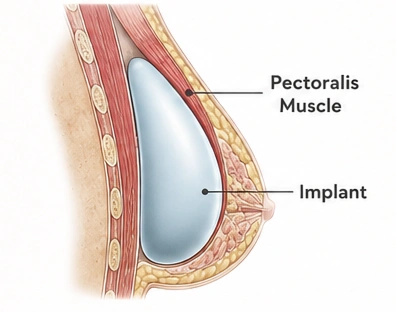
Dual Plane I
This is one of my most frequently performed techniques. It involves releasing only the lower attachments of the pectoralis muscle while preserving the connection between the muscle and the breast tissue.
It is best suited for patients who have:
- Minimal breast sagging
- Tight skin
- Good nipple position
- Mild volume loss
-
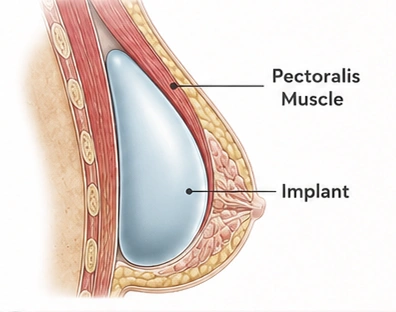
Dual Plane II
In addition to releasing the lower muscle attachments, some separation between the muscle and breast tissue is performed to allow the implant to better fill the lower breast.
Dual Plane II works well for patients with:
- Mild breast descent
- Loss of upper-pole fullness
- Mild postpartum changes
It allows the implant to improve breast shape without requiring a breast lift in carefully selected patients.
-
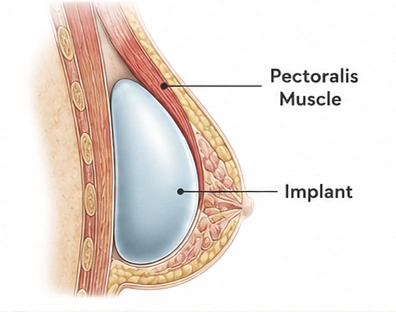
Dual Plane III
This technique involves greater separation between the muscle and breast tissue, allowing additional lower-pole expansion.
It is useful for patients with:
- More significant breast deflation
- Greater lower-pole laxity
- Borderline ptosis
However, if nipple position has descended substantially, a breast lift is often still necessary.
Breast Implant Surface: Why I Prefer Smooth Implants
Textured implants were initially created to help keep implants in place and decrease the chance of capsular contracture. However, textured implants have been associated with Breast Implant Associated Anaplastic Large Cell Lymphoma (BIA-ALCL), a rare cancer of the immune system that develops in the capsule surrounding textured implants. Although the overall risk remains very low, this association has significantly changed breast implant selection worldwide.
For this reason, I prefer to use smooth, round silicone gel implants in my practice. Newer breast implant surface options, including micro- and nano-texturing, have been developed. These surfaces were designed to provide some of the potential benefits of textured implants, such as a lower risk of capsular contracture, but without the same link to cancers such as BIA-ALCL. However, I do not believe enough long-term data currently exists to fully support these claims.
What Does a Breast Augmentation Entail?
Before Surgery: Preparation
Preparation for breast augmentation begins well before the day of surgery. A well-prepared patient typically has a smoother recovery and fewer unexpected issues.
Medical Clearance
Depending on one’s age and health history, preoperative evaluation might include basic lab testing, medical clearance from a primary care physician, and a thorough review of all medications and supplements to identify and stop those that could increase the risk of bleeding risk.
Preoperative Instructions
Patients are typically instructed to:
- Avoid eating or drinking after midnight before surgery
- Stop nicotine use well in advance (ideally 4+ weeks)
- Avoid blood-thinning medications when appropriate
- Arrange transportation and post-operative support
Smoking and nicotine exposure significantly increase the risk of complications, including delayed healing and poor scar quality.
Day of Surgery: What Happens
Breast augmentation is typically performed in an accredited surgical facility under general anesthesia.
Step 1: Arrival and Preparation
- Patient check-in and final assessment
- Markings are made
- Evaluation by your anesthesiologist
Step 2: Anesthesia
General anesthesia is administered, ensuring the patient is fully asleep and comfortable throughout the procedure.
Step 3: Surgical Procedure
The operation generally follows these steps:
1. Incision is made (most commonly inframammary)
2. A precise pocket is created for the implant
3. Temporary breast implant sizer is placed
4. Shape and symmetry are checked carefully in real time
5. The sizer is removed, and the permanent implant is inserted using a “no-touch” technique
6. Incisions are closed in multiple layers
Surgery typically lasts 1–2 hours depending on complexity.
Step 4: Recovery Room
- Patients are monitored in recovery
- Mild grogginess from anesthesia is common
- A surgical bra or compression garment is placed
Most patients return home within a few hours with a responsible caregiver.

“My experience with Dr. Geo N. Tabbal and his fantastic staff exceeded my expectations. He cares for his patients and has excellent bedside manners; you never feel alone before and after the procedure. He checks on you, allows you to connect with him, and is always readily available for his patient's needs.”
What Risks and Complications Are Associated with Breast Augmentation
Breast augmentation is generally safe when performed by a qualified, board-certified plastic surgeon in an accredited surgical facility. However, as with any surgical procedure, complications can occur. These risks include but aren’t limited to:
- Capsular contracture
- Implant malposition
- Asymmetry
- Infection
- Bleeding (hematoma)
- Changes in nipple sensation
- Implant rupture
- Rippling
- Need for revision surgery
Understanding these risks is not meant to discourage surgery, but to ensure realistic expectations and informed consent.
1. Capsular Contracture
After implant placement, the body naturally forms a thin scar capsule around the implant. In some cases, this capsule can tighten and become firm.
This may lead to:
- Breast firmness
- Shape distortion
- Discomfort in more severe cases
Management may include:
- Surgical capsule release
- Implant exchange in some cases
Modern implant techniques and surgical protocols have reduced but not eliminated this risk. To learn more about capsular contracture, read Dr. Tabbal’s blog on this topic.
2. Implant Malposition
Implants can shift from their intended position over time.
Examples include:
- Bottoming out (implant descends too low)
- Lateral displacement (implant moves outward)
- Symmastia: implants drift toward the midline, often creating a “uniboob” appearance
This risk is influenced by:
- Implant size relative to tissue support
- Surgical technique
- Postoperative healing and compliance
3. Infection
Infection is uncommon but can occur after any surgical procedure.
Signs may include:
- Increasing redness
- Fever
- Pain not improving over time
- Swelling that worsens instead of improves
Severe infections may require implant removal and delayed replacement.
4. Bleeding (Hematoma)
A hematoma is a collection of blood that can form after surgery.
This may require:
- Return to the operating room
- Drainage
- Temporary implant adjustment
Early postoperative monitoring is essential to detect this complication.
5. Changes in Sensation
Some patients experience temporary or permanent changes in nipple or breast sensation.
Most commonly:
- Increased or decreased sensitivity
- Temporary numbness during healing
Permanent changes are less common but can occur.
6. Implant Rupture
Modern implants are durable, but rupture can still occur over time.
- Saline rupture is immediately noticeable
- Silicone rupture may be silent and detected on imaging
Routine monitoring may be recommended depending on implant type and age.
7. Rippling or Visibility
Rippling occurs when implant edges become visible or palpable, more commonly in:
- Thin patients
- Saline implants
- Subglandular placement
Proper implant selection and placement significantly reduce this risk.
8. BIA-ALCL (Breast Implant-Associated Anaplastic Large Cell Lymphoma)
BIA-ALCL is a rare immune system lymphoma associated primarily with textured implants.
Key points:
- It is rare
- Most cases are treatable with surgical management
- Risk is associated with textured surfaces, not smooth implants
This is one of the reasons many modern practices, including mine, preferentially use smooth implants.
9. Need for Revision Surgery
Breast implants are not lifetime devices.
Over time, revision may be needed due to:
- Aging changes
- Weight fluctuations
- Pregnancy
- Implant wear
- Aesthetic preference changes
Will Breast Augmentation Scars Be Noticeable?
Scar visibility following breast augmentation surgery can depend on the incision technique utilized, your skin type, and how your body heals. Dr. Tabbal’s preferred inframammary technique involves an incision made along the natural breast crease, allowing the resulting scar to remain fairly well-hidden. Over time, scars will fade, but they will never completely. Proper post-operative care can improve the appearance of scarring.
Why Choose Dr. Tabbal to Perform Your Breast Augmentation?
Choosing a plastic surgeon is one of the most important decisions you’ll make. Beyond before-and-after photos, your surgeon’s education, training, experience, communication style, and commitment to patient safety all play a critical role in achieving an outstanding result. Dr. Geo N. Tabbal is committed to providing exceptional surgical care with a personalized approach from your initial consultation through your final follow-up visit.
Elite Surgical Training
Dr. Tabbal completed his medical education at the prestigious New York University School of Medicine, one of the nation’s premier medical schools. He then earned acceptance into the highly competitive integrated plastic surgery residency at UT Southwestern Medical Center, widely regarded as one of the top plastic surgery training programs in the United States. Following residency, he completed an advanced aesthetic surgery fellowship at the Manhattan Eye, Ear & Throat Hospital (MEETH) in New York City, where he received specialized training in cosmetic surgery of the face, breast, and body under internationally recognized aesthetic surgeons.
This combination of world-class education and advanced fellowship training allows Dr. Tabbal to offer patients modern, evidence-based surgical techniques with meticulous attention to detail.
Personalized Care From Start to Finish
No two patients have the same goals, anatomy, or concerns. Dr. Tabbal believes every treatment plan should be individualized to reflect each patient’s unique needs and desired outcome. He takes a hands-on approach throughout the entire surgical journey, personally guiding patients through consultation, surgical planning, recovery, and long-term follow-up.
Patients never feel like just another appointment. Instead, they receive attentive care, honest recommendations, and direct communication every step of the way.
Safety Is Always the Highest Priority
Your safety is never compromised. Every surgical procedure performed by Dr. Tabbal takes place in fully accredited surgical facilities that meet rigorous standards for patient safety, quality, and infection control. Anesthesia is administered by experienced, board-certified anesthesiologists who provide expert care before, during, and after surgery.
From your consultation to your recovery, every aspect of your care is designed to maximize safety, comfort, and outstanding outcomes. For more information on how to pick a plastic surgeon, read Dr. Tabbal’s blog on this topic.
How Much Does Breast Augmentation Cost in Dallas–Fort Worth?
The overall cost of breast augmentation will vary from patient to patient based on the customized treatment plan. Contributing factors can include:
- Complexity of the procedure
- Implant type
- Surgical techniques utilized
- Anesthesia fees
- Post-surgery garments
- Prescribed medication
- Surgeon’s fee
- Use of the surgical facility
Once your personalized treatment plan has been developed, a member of Dr. Tabbal’s team can provide you with a custom price quote for your breast augmentation surgery. Dr. Tabbal recommends that individuals pursuing breast augmentation avoid “shopping around” for a plastic surgeon based on cost alone. In many scenarios, procedure pricing can reflect a plastic surgeon’s training, experience, skill set, and history of producing high-quality results.
If cost is a limiting factor in your ability to undergo surgery, it is often a good idea to consider the financing options and types of payment that a plastic surgery practice accepts. For instance, our practice accepts many convenient forms of payment and offers financing options for qualified applicants through CareCredit®, Cherry® and PatientFi®.
For more information on the costs of breast augmentation in north Dallas, read my blog on this topic here.
Breast Augmentation Frequently Asked Questions
Are breast implants safe?
The safety and quality of breast augmentation surgery has been researched thoroughly and extensively by the highest government and independent research organizations. Most notably, the United States Food and Drug Administration (FDA) has approved the use of both silicone and saline-filled breast implants for cosmetic enhancement and for breast reconstruction.
As with other surgical procedures, breast augmentation surgery is not without inherent risks. I always put safety at the forefront of the care I provide so that these risks are minimized as much as possible.
How painful is breast augmentation?
Pain after surgery is subjective and can vary from one individual to another; however, most people experience only mild discomfort for a few days after their operation. Most pain after breast augmentation surgery comes from the disturbance of surrounding tissues during surgery. By using meticulous operative techniques and a thoughtful surgical plan, I can avoid unnecessary tissue trauma, which helps minimize postoperative pain and the risk of complications. This can also allow for a smoother, faster recovery.
As a result, many patients can resume normal, non-strenuous activities within 24 hours after surgery and often do not need prescription medication to manage their pain postoperatively.
What type of bra should I wear after breast augmentation?
A comfortable, supportive bra can help facilitate a safe and effective healing process. During the consultation, I will recommend bras that take implant type, your anatomy, and postoperative needs into consideration. It is typically best to avoid bras with an underwire for at least six weeks, as underwire garments may affect implant shape and lead to irritation around the incision sites.
Can I breastfeed with breast implants?
While not all women are able to naturally breastfeed, breast augmentation surgery should not affect a patient’s ability to nurse their young children. That being said, it is important that you let your surgeon know if you plan on becoming pregnant or breastfeeding in the future.
Will breast implants affect future mammogram screenings?
Breast implants should not have an impact on the ability to be effectively screened for breast cancer, though some accommodations may need to be made during the screening process. Regular mammograms are key to protecting your long-term health and should remain an integral part of your medical check-ups. It is important to let your mammogram technician know about your breast implants in advance, as additional images may need to be taken from different angles so your breast tissue is thoroughly analyzed.
Should I massage my breast implants?
Generally speaking, I strongly recommend that patients do not massage their breast implants after surgery. Unfortunately, this postoperative practice is a relic of outdated information that was commonly advised by some surgeons many years ago in an effort to keep implants and surrounding breast tissue soft.
Since then, years of anecdotal experience and scientific medical research have shown that massage does not reliably keep the breasts soft. Even more concerning, it can cause the implants to move, altering the pocket in which they were placed during surgery and potentially leading to implant malposition.
Will implants look natural?
Yes, when properly selected and placed in a way that respects a patient’s anatomy. It should be noted that, in the majority of cases, patients who have their implants placed below the muscle will have a more natural result than if they had the implant placed above the muscle. This is because the chest muscle (pectoralis major) helps blend the transition from the chest wall to the most projecting point of the breast.
How Long Do Breast Implants Last?
Breast implants typically last between 10 and 20 years or longer. However, their lifespan can vary based on the implant type, surgical technique, and individual factors. Regular follow-up appointments are crucial to monitor the condition of the implants.
Will I lose nipple sensation?
Temporary changes may occur, but permanent changes are much less common. When temporary changes do occur, they typically resolve within a matter of weeks to a few months.
Schedule Your Consultation
Breast augmentation is a highly customizable procedure that depends on careful planning, precise surgical technique, and a clear understanding of patient goals. When performed thoughtfully, it can produce long-lasting, natural-appearing enhancement that fits the patient’s body rather than overpowering it.
For patients in the Dallas–Fort Worth area considering breast augmentation, the most important step is a detailed consultation where anatomy, goals, and surgical options can be fully evaluated. Request a consultation online to schedule a personalized consultation with Dr. Tabbal.
Related Blogs
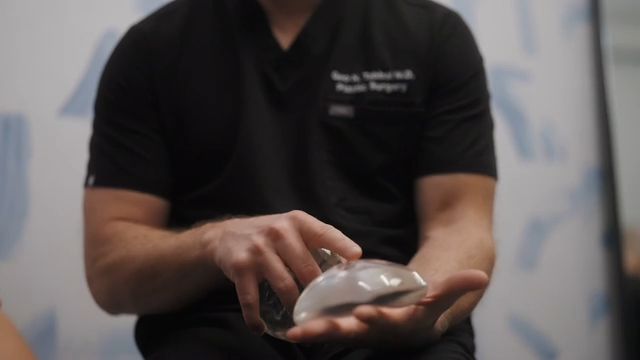
Choosing the right breast implant size and shape is one of the most important decisions you’ll make when considering breast …
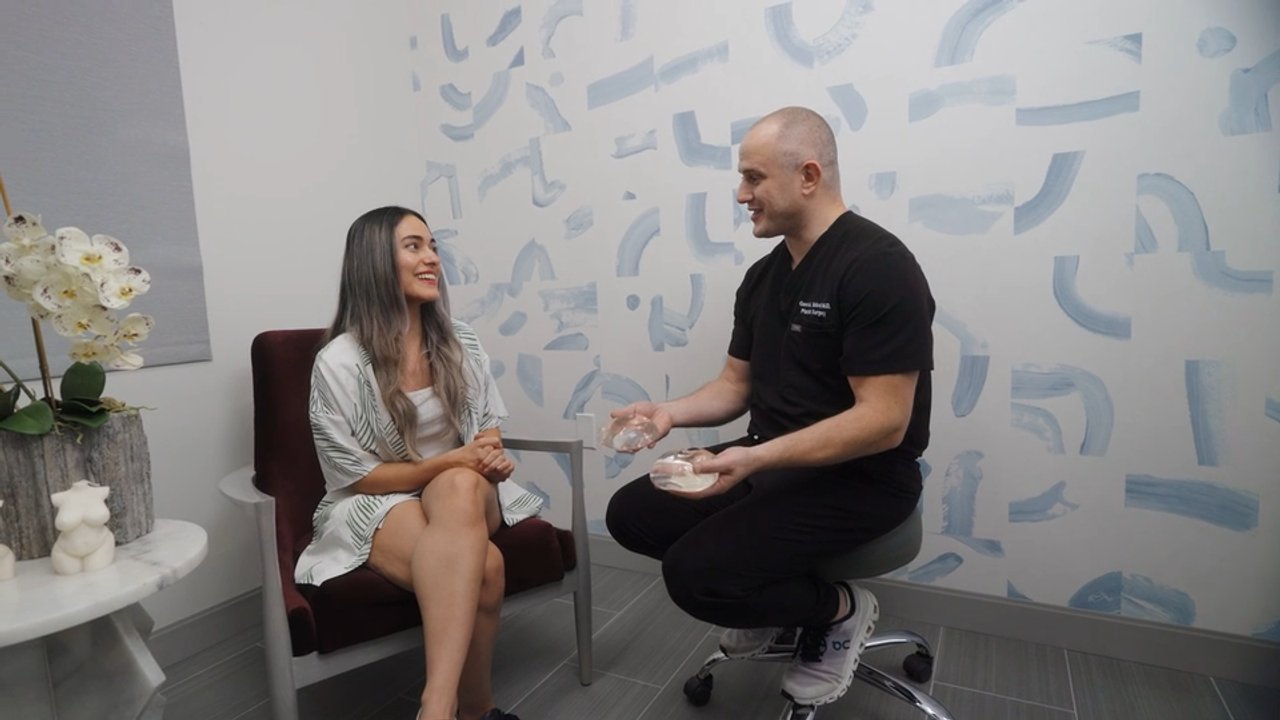
When considering breast enhancement, many women find themselves asking: breast lift vs breast augmentation — which is better? Both procedures …
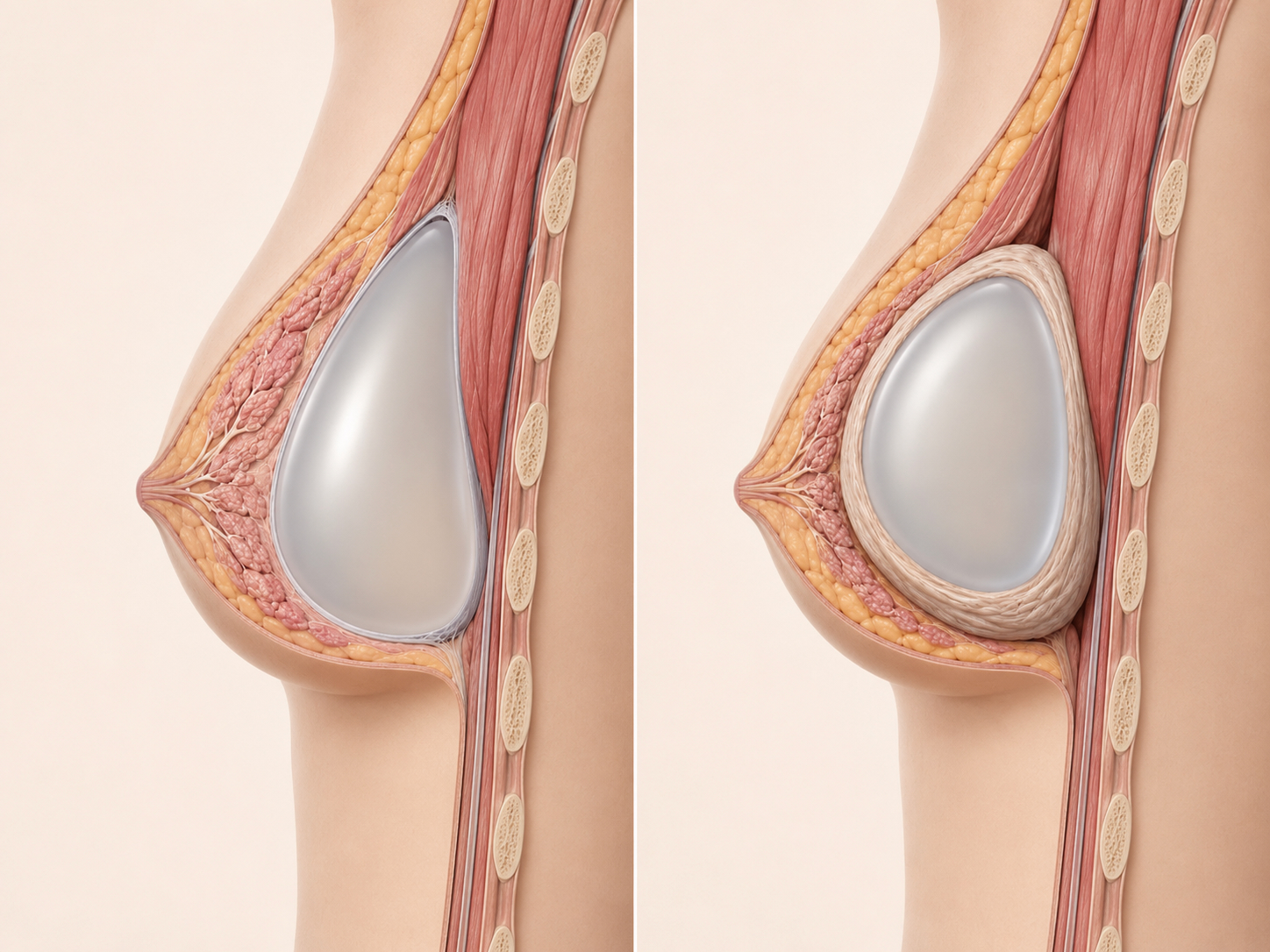
Capsular contracture occurs when the normal scar tissue around a breast implant thickens and tightens enough to make the breast …
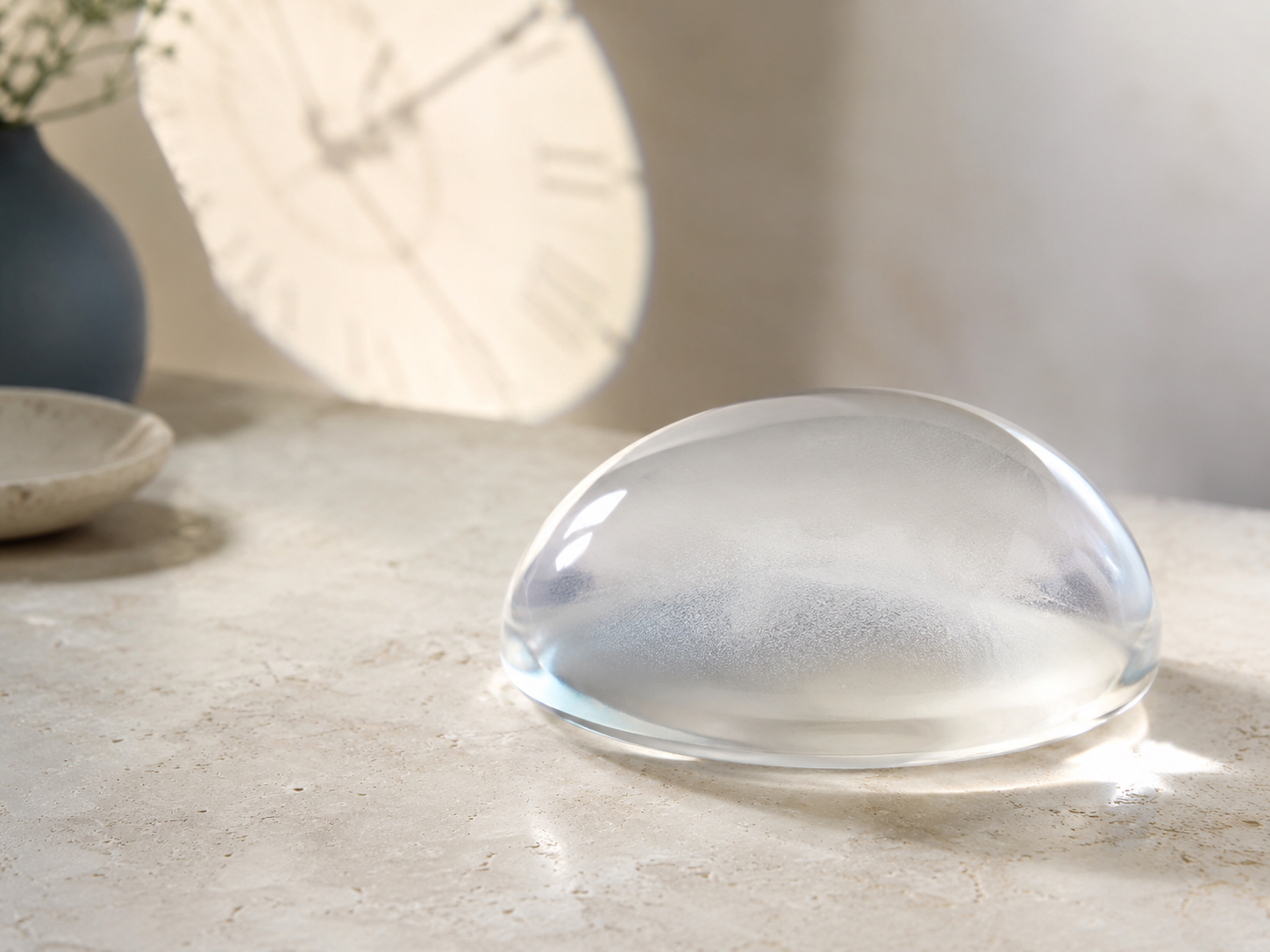
The short answer is that breast implants are not considered lifetime devices, but there is no universal expiration date and …